West Valley Real Estate and Community News

Nov. 25, 2026

West Valley Sellers Should Check Before a First Week Price

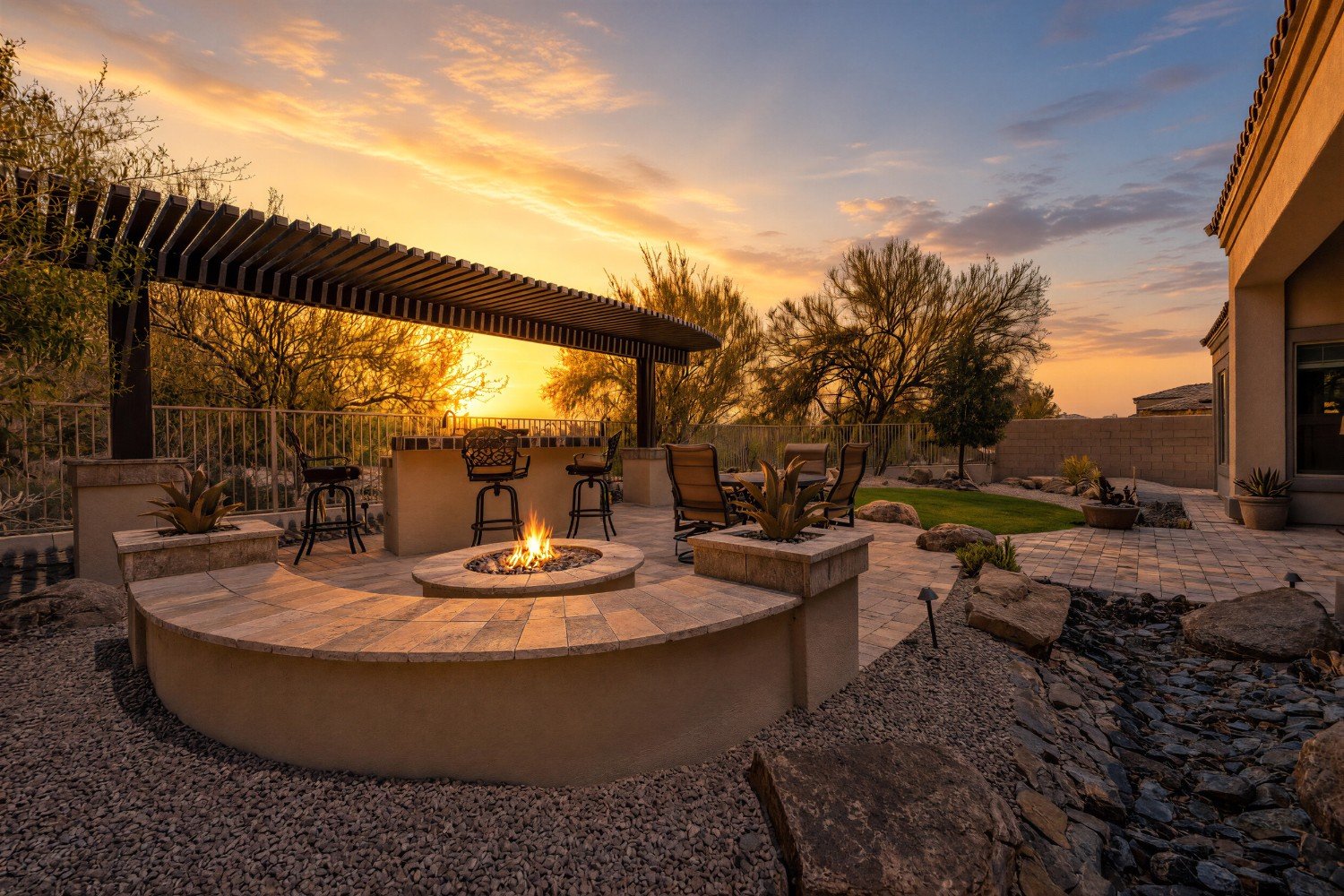
The front entrance of a house, framed from the walkway in Surprise Farms, AZ — West Valley Sellers

What Should West Valley Sellers Check Before Setting a First-Week Price?

West Valley Sellers should check four things before the listing goes live: recent closed sales of truly similar homes, the active listings buyers will compare yours against, your home's condition and upgrades, and how well the home will present online and in person. A launch price built on that evidence puts you in front of buyers who are already watching your neighborhood and price range. A price built on a metro-wide median or an online estimate does not.

Key Takeaways

  • The most recent report, from October 2026, showed 937 homes in inventory across the West Valley, up 18.8% year over year, with homes taking 75 days on market until sale, so your price has to hold up against real competition.

  • Maricopa County showed 16,708 homes in inventory and 74 days on market until sale in October 2026, while single-family homes in ZIP code 85085 showed 97 days, which proves one county number can't price your home.

  • Start with recently closed sales, because they show what buyers actually paid, then check the under contract properties & lastly the active listings, which show the alternatives buyers can choose today.

  • Condition, upgrades, lot position / location, and presentation can move your home above or below the closest comparable sale.

  • If the first week brings limited activity, that's the signal to review the price right away, not to wait and hope.

Amy Barnett here. I walk sellers through this review before a sign goes in the yard or a listing hits the MLS. If you've already read my post on West Valley listing agent pricing before you go live, think of this one as the working checklist: what to gather, what to compare, and how to read it. I'll use Surprise Farms as the running example, but the same steps apply in Verrado, Marley Park, Sterling Grove, Vistancia, and the rest of the West Valley.

Which comparable sales and active listings should you check first?

Start with closed sales of homes that closely match yours, then look at the active listings competing with you today. Closed sales tell you what buyers paid. Active listings tell you what buyers can choose instead of your home.

Keep the geography tight

The West Valley is not one market. Goodyear, Buckeye, Avondale, Litchfield Park, Goodyear, Surprise, Peoria, and Waddell listings can all behave differently, and so can individual communities inside one city. If you're selling in Verrado, your comparison set starts with Verrado closed sales. Only widen it to nearby communities when there aren't enough close matches, and adjust for the differences when you do.

The October 2026 numbers show why. This is the most recent data available as of November 25, 2026:

Area (October 2026)Homes in inventoryDays on market until sale
Maricopa County (Phoenix REALTORS Local Market Update)16,70874
West Valley (Phoenix REALTORS data, reported by YourValley)93775
ZIP 85085, single-family (Phoenix REALTORS Local Market Update)13697

Same month, same metro, and a 23-day gap between the county figure and one ZIP code. Greater Phoenix as a whole showed 23,044 homes in inventory, a 10.6% year-over-year increase, according to the same YourValley report. Portal figures read a little differently: Realtor.com's Maricopa County report showed a median listing price of $499,000, a median sold price of $475,000, and 61 median days on market for October 2026. I treat portal numbers as context and rely on MLS-based data when I build a price with a seller.

None of these figures is your home's price. They tell you buyers have choices and that timelines vary by submarket. Your number comes from the closest comparisons, and that's where a local analysis earns its keep.

Screen every comparable for what actually decides a buyer's choice

A comparable only counts if it's truly comparable. When I screen them with sellers, I check:

  • Size and age: living area, lot size, year built, and floor plan

  • Features: pool, garage configuration & spaces, lot size, solar equipment, and major upgrades

  • Design: single story versus two story, designs style & functionality

  • HOA setting: amenities and restrictions

  • Lot position: backing to a busy road, commercial property, power infrastructure, or open land

  • Condition: deferred maintenance, structural upgrades and the quality & age of any renovation

Two homes on the same street can sit in different price brackets because of one or two of those items. That's why I'd rather work from a few tight matches than a long list of loose ones.

Look beyond closed sales

Pending listings help show where demand is right now, though their final prices usually aren't public yet. Withdrawn or recently expired listings can be even more telling, because they often reveal where buyers pushed back on price. Active competitors matter most for the first week. If three similar homes are priced below your target and showing well, buyers will find them first.

How do condition and presentation change what West Valley Sellers can ask?

Condition and presentation decide which comparable sales you're actually measured against. A home with deferred maintenance gets compared to other homes that need work, even if the floor plan matches a fully updated sale down the street. Most buyers are searching for homes that are move in ready.

Condition sets the ceiling

An updated home can justify a price above the nearest comparable sale, but only when the updates are visible, well done, and valued by buyers in that price band. Deferred maintenance pulls the other way. Buyers and their inspectors will find it, and it shows up in negotiations. I'd rather we identify the repairs before launch, decide together which to fix and which to price around, and build that into the number from day one.

Presentation changes how buyers compare you

Professional photography, accurate room descriptions, decluttering, landscaping, good lighting, and a clean showing condition let buyers judge your home on its real strengths. Presentation can't rescue a price the comparables don't support. It can decide whether a buyer sees your home as competitive with better presented alternatives or scrolls past it.

This is also where selling and buying in the same move adds pressure. If you're coordinating both, my post on whether to sell before buying in the West Valley covers how timing affects the price you can afford to launch at. It's definitely possible, but requires a skilled agent to coordinate all of the moving parts.

That's why I'm here to help.

Why does the first week matter, and how do you test the price?

The first week is a visibility window. Buyers who are already watching your neighborhood and price band get alerts when a new listing appears, and your launch price decides whether you show up in those searches at all.

What a first-week price needs to do

A price materially above the closest alternatives can cut showing activity before your listing has any market history. I'd rather see you launch at a price the evidence supports than chase the market down later, because a listing that has already sat reads differently to buyers than one that's new. Every seller wants room to negotiate, and I understand that. The question is whether the price earns attention first, because attention is what creates the negotiation.

The pricing review I run before a listing goes live

For West Valley Sellers, whether in Surprise Farms or the next community over, the review follows the same order:

  1. Identify the most relevant recent closed sales.

  2. Identify the closest active competitors.

  3. Check pending and recently withdrawn listings for signs of pricing resistance.

  4. Adjust for condition and upgrade differences.

  5. Define the likely buyer search brackets, meaning the price points where online searches tend to cut off.

  6. Set the launch price and write down the evidence behind it.

That last step matters more than it sounds. If you can't explain the price in two or three comparable sales, the price isn't ready.

What to do if week one is quiet

Thin activity in the first week is information. Look at the online views, saves, and showing feedback, then compare your home against anything that went pending nearby. If buyers are looking but not touring, or touring but not offering, those point to different fixes: price, photos, condition, or all three. Waiting for the market to catch up with your number is the slowest way to find out you were off.

Your specific number depends on your home, your street, and the competition on the day you launch. That's the work a local pricing review does, and it's much easier to do before the listing is live than after.

FAQ

What should I compare before pricing my West Valley home for the first week?

Compare recent closed sales, current active listings, and any pending or withdrawn listings nearby, then adjust for your home's condition and features. Closed sales show what buyers paid, and active listings show what they can choose instead. Keep the comparison inside your own community when you can.

How many recent comparable sales should I use to set my listing price?

There's no magic number. I'd rather have a handful of close matches than a long list of loose ones. What matters is that the sales are recent and similar in size, lot, features, and condition, so they show a clear pattern.

Should I price below the most recent sale in my Goodyear, Surprise, Buckeye, Goodyear or Avondale neighborhood?

Not automatically. A recent sale is a starting point, and you adjust for differences in condition, upgrades, lot position, and the competing listings available today. If your home is stronger than that sale, the evidence may support a higher price. If it needs more work, it may not.

Does a home's condition change how much it can be priced above nearby comparable sales?

Yes. Well maintained homes with visible, quality updates can justify a premium over the nearest comparable sale, while deferred maintenance usually pulls the price down or invites tougher negotiation. A walk-through before listing shows which items to fix and which to price around.

How quickly should I adjust the price if my home gets little activity in its first week?

Review it right away rather than waiting for the market to come to you. Compare your views, saves, and showing feedback against what's going pending nearby, then decide whether price, presentation, or condition is the issue. A listing's early days are when the price correction is least costly.

Ready to test your launch price against real comparables?

The first week is your best chance to reach buyers who are already watching, and the price you launch with decides whether they see you. I'll walk through your closed sales, active competition, and condition with you before anything goes live, so the number is one you can defend. When you're ready, schedule a consultation and we'll build it together.

About Amy Barnett

Amy Barnett is a REALTOR® and Team Lead of The Barnett Team with just under 20 years of experience, serving buyers and sellers across Arizona's West Valley with experienced, client-first counsel through every real estate transaction.

Barnett Fine Homes & Estates at Realty One Group · (623) 810-9954

Equal Housing Opportunity. Regulated by the Arizona Department of Real Estate. This article is general information, not legal, tax, or financial advice. Confirm your own numbers with your escrow officer, tax advisor, or lender.
Posted in Selling Your Home
Nov. 23, 2026

West Valley Listing Agent Pricing Before You Go Live

A set of house keys changing hands in Arizona — West Valley Listing Agent

West Valley Listing Agent Pricing Before You Go Live

How should a West Valley listing agent price your home before it goes live?

A West Valley listing agent should set your price from three things together: recent closed sales, the homes competing with you today (active and pending), and your home's real condition and upgrades. That number should come with written reasoning you can follow and a plan for what happens in the first week. I treat that first week as the most important pricing decision in the whole listing.

Key Takeaways

  • The September 2026 West Valley report showed a median sales price of $515,000, down 2.7%, while the average sales price was $594,996, so a price built on the average alone can mislead you.

  • West Valley homes spent 76 days on market until sale in September 2026 and received 98.6% of list price, two measures that answer different questions and should never be treated as a pricing formula.

  • Pending sales were down 49.5% in the same September 2026 report, which means your price has to be tested against buyers who are actually signing contracts, not just against active listings.

  • Closed sales alone are not enough: active and pending competition show what buyers are choosing between right now.

  • Before your home goes live, you should know which first week signals would change the plan and when the strategy gets reviewed.

What should a West Valley listing agent compare your home to?

Your agent should compare your home to three groups: closed sales, active listings, and pending listings. Closed sales show what buyers paid. Active and pending homes show what you're up against and what buyers are accepting today.

Closed sales, active competition, and pending contracts

Closed sales are the foundation, but they look backward. Active listings are your direct competition, and pending contracts are the freshest evidence of what a buyer agreed to pay. In a market with 835 homes in inventory, up 7.1%, and four months of supply in September 2026, leaning only on older closed sales can leave your price a step behind.

That's the difference between a comparable sale and a competing listing. A comparable sale tells you what a similar home earned. A competing listing tells you what a buyer can choose instead of yours this week.

Segmenting the West Valley instead of treating it as one market

The West Valley is not one neighborhood. Goodyear, Avondale, Peoria, Surprise, Buckeye, and Litchfield Park sales each behave differently, and so does a gated golf community compared with a standard subdivision. A useful analysis starts with the right city and property type, then narrows by community, square footage, lot, age, bedroom count, pool, solar, HOA, and condition.

If a new-construction community is selling near you, those active builder listings somewhat belong in your competition set too.

What the most recent West Valley numbers say

Here is how the September 2026 West Valley figures from YourValley's market report bear on a pricing decision:

Indicator (September 2026)West Valley figureWhy it matters for your price
Median sales price$515,000 (down 2.7%)The midpoint of sales, a steadier reference than the average
Average sales price$594,996 (down 0.9%)Pulled upward by higher-priced sales, so it can overstate a typical home
Inventory835 homes (up 7.1%), four months of supplyMore unsold competition to price against
Days on market until sale76 daysReflects selling speed
Percent of list price received98.6%Reflects how final prices related to list prices, in aggregate
New listings / pending / closed283 (down 7.5%) / 101 (down 49.5%) / 182 (down 19.5%)Shows supply against buyer conversion

One caution on that 98.6% figure. It's an aggregate across the reported West Valley market. It does not mean every home should be listed at a fixed percentage above your target. Your home's condition, your competition, and buyer demand still decide the launch price.

For a wider frame, the Phoenix REALTORS® market report for November 2025 through October 2026 showed a Phoenix-region median sales price of $465,000. It also showed the $375,000 to $474,999 band selling fastest, at 75 days, versus 83 days for homes priced at $633,000 or more. Those are Phoenix-region figures, not West Valley-only ones, so I use them as context, not as your price.

How much should condition and launch timing affect the price?

Condition and timing do affect pricing. Every material difference between your home and a comparable should be detailed, and each one should push the recommendation up or down for a that reason.

Adjustments you should see in writing

When I walk a seller through a recommended price we will line item the adjustments. The differences that usually matter:

  • Remodeled versus original kitchen and baths. Kitchens and baths are the most desireable upgrades.

  • Roof and HVAC age and condition

  • Pool, casita, garage spaces, or other added structures

  • Lot position and views

  • Solar, and whether it's owned or under an agreement. Leased solar is prohibited from adding value from an appraisal standpoint

  • Deferred maintenance a buyer will notice or an inspector will find

Your specific number depends on how your home stacks up against the closest comparables. That's where a local market analysis comes in, and it's the first thing I do with a seller. Relying solely on online valuations is a recipe for failure. An experienced agent will weigh the items above, along with using knowledge & experience in the area of the home to know buyer demand for different features & locations.

Launch timing is part of the pricing decision

A correctly priced home can take longer to sell if it launches half ready. Early buyer attention is concentrated when a listing is new, so photography, repairs, staging, a complete MLS entry, and showing access should all be in place before the listing goes live. I plan the launch date around readiness, not a calendar assumption. Our team devotes and entire second appointment prior to listing to meet with sellers & make sure the property is ready for listing. In this appointment we discuss staging for max buyer appeal, prepare a detailed upgrades list & discuss a showing schedule. This extra appointment ensures that the property is ready prior to listing launch. The first stage of the listing is very important.

If you're also buying your next home, the launch plan and your move timeline affect each other. I cover that trade-off in Should You Sell Before Buying in the West Valley?

What first week signals tell you the price is right or wrong?

The signals to watch are showing volume, showing feedback, online saves, shares and inquiries and second showings. These are decision criteria, not guaranteed rules, but they tell you whether the right buyers are responding at your price.

Here is how I think about it. In our market, pricing your home right in the first week beats chasing the market down afterward. A listing that starts too high spends its best attention on buyers who move on, and each later reduction tells the next buyer something is off.

Context matters here too. For the first nine months of 2026, West Valley closed sales were down 7.7% and pending sales down 8.7% compared with the same period in 2025, while new listings were up 1.4%. Buyers have options, so a plan that depends on hoping for a bidding war isn't a plan.

Agree on the checkpoints before launch

Before your home goes live, you should know in advance:

  1. When the strategy gets reviewed: after the first weekend, after seven days, or after a set number of showings without an offer.

  2. What evidence would trigger a change, such as little showing activity, repeated feedback that the home is overpriced, no second showings, or competing homes drawing stronger traffic.

  3. Whether the fix is price or something else, since weak photography, limited access, or incomplete listing information can look like a price problem.

Every situation is different, and the only way to know for sure is to run the numbers for your home with someone who knows this market.

Why bring this pricing question to me?

You should bring it to me because I'll show you the evidence behind the number, not just the number. I'm Amy Barnett, a REALTOR® and Team Lead of The Barnett Team at Barnett Fine Homes & Estates at Realty One Group, with just under 20 years of experience serving buyers and sellers across Arizona's West Valley. As your West Valley listing agent, here's how I meet each thing a seller should expect:

  • Local range, not one zip code. I work across Verrado, Marley Park, Vistancia, Estrella Mountain Ranch, Arrowhead, Surprise Farms, Tartesso, Palm Valley, Litchfield Park, Sundance, and more, so I'm not stretching a comparison set from one area onto another. We have experience listing homes personally in all those areas.

  • Experience with homes that are hard to price. Luxury estates, golf communities, gated communities, horse property, and new construction often have fewer true comparables, which makes the written adjustments more important.

  • A detailed recommendation. I base the price on closed sales, active and pending competition, and your home's condition, and I explain the reasoning.

  • A plan for week one. We agree on the launch readiness, the checkpoints, and the review point before the listing goes live.

  • Client first advice. My job is to put your goals ahead of mine, including telling you when a number you hoped for isn't supported by the market. These conversations early on will help you set a realistic goal for your move.

The Barnett Team gives you more than one set of eyes on your launch, from listing preparation to showing activity and feedback.

FAQ

How does a West Valley listing agent choose comparable sales for my home?

A listing agent should start with the same city, community and property type, then narrow by square footage, lot, age, bedroom count, pool, solar, HOA, and condition. They should explain each difference between your home and each comparable in writing. If a comparable isn't truly similar, it shouldn't carry much weight.

Should I price below nearby listings to attract multiple offers?

Not automatically. With four months of supply and pending sales down 49.5% in the September 2026 West Valley report, you can't assume a lower price will create a bidding contest. It's a strategy to test against your competition and your goals, and I'd show you the evidence before recommending it.

How long should we wait before changing the price if there are no offers?

Decide the review point before the listing goes live, such as after the first weekend or after a set number of showings without an offer. Then look at showings, feedback, and second showings together. The right answer depends on whether the issue is price, presentation, or access. We will stay in constant communication to watch closely & address this.

Is there a better time of year to launch a listing in Goodyear, Buckeye, Surprise, Peoria, or Avondale?

The more reliable answer is readiness: photos, repairs, staging, a detailed MLS entry, and showing access all in place at launch. A listing that goes live unfinished loses early attention that's hard to win back. I'd rather base your launch date on current data and your home's readiness than on a generic seasonal rule.

The pricing decision is the one that shapes everything after it, so it deserves real evidence and a clear plan. If you'd like me to walk through your home's comparables, competition, and first-week checkpoints, schedule a consultation with me and we'll start there.

About Amy Barnett

Amy Barnett is a REALTOR® and Team Lead of The Barnett Team with just under 20 years of experience, serving buyers and sellers across Arizona's West Valley with experienced, client-first counsel through every real estate transaction.

Barnett Fine Homes & Estates at Realty One Group · (623) 810-9954

Equal Housing Opportunity. Regulated by the Arizona Department of Real Estate. This article is general information, not legal, tax, or financial advice; confirm your own numbers with your escrow officer, tax advisor, or lender.

Nov. 21, 2026

Vistancia by Home Style vs Sterling Grove, AZ

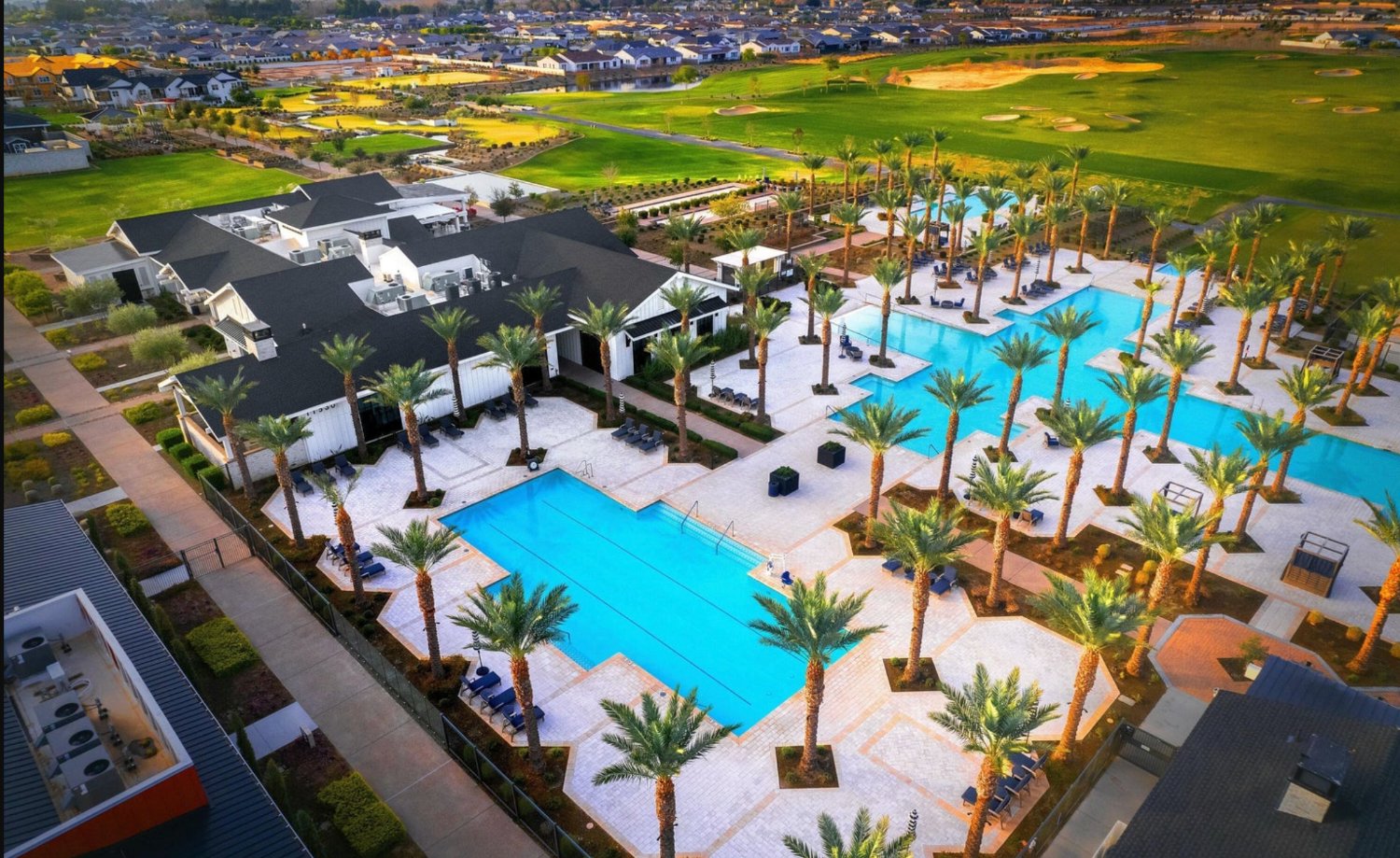
A local main street with its shopfronts in Sterling Grove, AZ — Vistancia by Home Style

Vistancia by Home Style vs Sterling Grove, AZ

How does Vistancia by Home Style compare with Sterling Grove?

Sterling Grove, a Toll Brothers community in Surprise, offers a builder collection around a town square and a private Troon-managed clubhouse. Vistancia by Home Style is a broader menu: five lifestyle communities across 7,100 acres in north Peoria, with new homes, custom homesites, trails, golf, and services inside the community. Neither one suits every buyer, and the right pick depends on how much variety, scale, and on-site convenience you want.

Key Takeaways

  • In Vistancia, the median sale price for all home types sold August to October 2026 was $649,679, up 13.5% from $572,500 in the same window a year earlier, according to recent local market data.

  • Sterling Grove homes come from Toll Brothers collections, such as the Atley (2,021 to 2,439 square feet) and Brookhaven (2,449 to 2,892 square feet), while Vistancia spans multiple villages, builders, and custom homesites.

  • Sterling Grove's amenities center on one private clubhouse with three resort-style pools, a spa, a fitness center, and dining.

  • Vistancia spreads its amenities across recreation centers, a 3.5-mile Discovery Trail, parks, and two golf courses, one public and one private.

  • Vistancia features grocery, healthcare, dining, and pharmacy services within the community, while Sterling Grove only has a clubhouse dining and a grab-and-go market. However, Sterling Grove is located a short drive from the Prasada shopping center in Surprise, which features shops like Target, Costco, Sprouts, a Fat Cats entertainment center & many restaurant choices.

How do homes differ in Sterling Grove and Vistancia by Home Style?

Sterling Grove is built by one builder - Toll Brothers, while Vistancia is a collection of villages with different builders and floor plans. That one difference shapes almost every other part of your search.

What are the home options in Sterling Grove?

Sterling Grove homes feature Toll Brothers collections rather than one uniform design. Two examples:

  • Atley Collection (announced January 2026): three two-story designs from 2,021 to 2,439 square feet, with four to five bedrooms, 2.5 to three bathrooms, and two-car garages.

  • Brookhaven Collection: three two-story designs from 2,449 to 2,892 square feet, with five bedrooms, three to four bathrooms, and two-car garages. Selected homesites offer golf-course or mountain views.

If you like a consistent look and one builder's way of doing things, that's a real advantage. You learn one builder's process, one set of options, and one warranty conversation. The whole community has one uniform design style.

What are the home options in Vistancia?

Vistancia contains five lifestyle communities, with both new-home opportunities and custom homesites. The builder and floor plan depend on the village and the release date. That means Vistancia by Home Style is less a single product and more a set of choices you narrow down: which village, which builder, new or custom, and how much land.

In my experience, buyers who have a specific floor plan in mind tend to find it faster in a single-builder community. Buyers who aren't sure what they want often learn more by touring several villages in one afternoon.

How do the two communities compare side by side?

AttributeSterling Grove (Surprise)Vistancia (north Peoria)
Scale and structureToll Brothers community organized around a tree-lined town square7,100-acre plan with five lifestyle communities
Home styleToll Brothers collections, including two-story Atley and Brookhaven designsMultiple builders, new homes, and custom homesites, varying by village
Main amenity hubPrivate Troon-managed clubhouseRecreation centers, parks, trails, and golf, spread across villages
GolfGolf-course views on selected Brookhaven homesitesTrilogy Golf Club (public) and Blackstone Country Club (private)
Trails and parksParks, gardens, water features, and walking trails3.5-mile Discovery Trail, Sunset Park, and Westland Park
Everyday servicesClubhouse dining and a grab-and-go market confirmedGrocery, healthcare, dining, and pharmacy listed within the community

How do the amenities compare?

Sterling Grove concentrates its amenities in one private clubhouse, while Vistancia distributes them across villages, public parks, and golf facilities. Count the amenities if you like, but the more useful question is who can use them and where.

What does the Sterling Grove clubhouse offer?

The private, Troon-managed clubhouse includes three resort-style pools, indoor and outdoor dining, a grab-and-go market, a full-service spa, a fitness center, and a movement studio, plus scheduled social and recreational activities, per the Toll Brothers community details. Sterling Grove also has parks, gardens, water features, and walking trails around its town-square layout.

What does Vistancia offer?

Vistancia's recreation is more distributed. The Village at Vistancia provides access to two recreation centers with resort-style and lap pools, waterslides, an indoor basketball gym, pickleball and tennis courts, playgrounds, event space, and fitness programming. Beyond that, Vistancia's documented outdoor network includes a 3.5-mile Discovery Trail and two City of Peoria parks, Sunset Park and Westland Park, with more city parks planned.

For golf, Vistancia has two courses: Trilogy Golf Club, described as public, and Blackstone Country Club, described as private. If golf is a priority, tell me early. Blackstone at Vistancia is one I know well, and I can explain how access works so you're not surprised after you buy.

What should you ask about amenity access?

Vistancia's amenities vary by lifestyle community, so don't assume every home gets every amenity. Before you write an offer in either community, confirm:

  • Which amenities come with the specific village or phase you're buying in

  • Whether access is community-wide, village-specific, public, or private

  • What membership or fees apply, which you can get from the builder or HOA in writing

How do location and daily destinations compare?

Sterling Grove sits in Surprise and Vistancia sits in north Peoria near the Sonoran Desert foothills, so your daily routine will look different in each. Vistancia's larger footprint reaches farther into the northwest Valley, while Sterling Grove is a more compact, town-square setting.

Vistancia's published materials identify grocery, healthcare, dining, and pharmacy services within the community, with more retail, dining, and entertainment a short drive away. The plan also includes parks, trails, schools, golf, shopping, and employment-oriented development. For Sterling Grove, the source I reviewed confirms clubhouse dining and a grab-and-go market, but it doesn't confirm a full-service grocery, pharmacy, or healthcare office inside the community. Don't read that as a negative. It means you should map your own weekly errands before you commit.

Here's what I walk my clients through for either location:

  1. Drive your actual commute at the times you'd really travel.

  2. Time the trip to your usual grocery store, pharmacy, and doctor.

  3. Confirm school assignment directly with the district for the exact address, since boundaries can change.

  4. Check the construction status of nearby phases, because open land next door can look different in a year.

What do recent Vistancia sales show?

Recent local market data shows prices up and more negotiating room than a year ago. These figures cover all home types sold August to October 2026 in the Vistancia neighborhood:

  • Median sale price: $649,679, compared with $572,500 in the same window a year earlier (+13.5%)

  • Median price per square foot: $281

  • Homes sold: 102, compared with 129 a year earlier

  • Sale price versus list price: homes averaged 97.8% of list price, with 7% selling above list and 71% below

  • Months of supply: 6.7, up from 5.0 a year earlier

  • Pace: 12% of listings went under contract within two weeks

  • Price cuts: 46% of listings had one, averaging 3.0%

  • Newly listed asking price: a median of $681,526 for homes listed in the same window

Those are area-level numbers. An individual home's value depends on its condition, street, build year, and timing, so treat them as context and not a quote. Still, more supply, a sub-100% sale-to-list ratio, and frequent price cuts tell you buyers in Vistancia have more room to negotiate than the price growth alone suggests.

Sterling Grove is new-construction led, so pricing follows builder releases, collections, and homesites rather than a resale median. I can pull current pricing by collection and homesite for you. If you're weighing a purchase against a home you already own, my post on whether to sell before buying in the West Valley covers the sequencing.

What should you know about buying new in either community?

If you're buying new in either community, have your own agent in your corner from the first visit. The sales team at a builder's office works for the builder, and small details caught during the build save real money later. I cover that process in more detail in my post on buying new construction in Verrado, and the same principles apply here.

FAQ

Which community has more amenities, Sterling Grove or Vistancia?

Vistancia has more amenity types spread over a larger area, including two recreation centers, a 3.5-mile Discovery Trail, city parks, and two golf courses. Sterling Grove packs its amenities into one private clubhouse with three pools, a spa, a fitness center, and dining. Which one is "more" depends on whether you prefer one central hub or a wider network.

What types of homes are available in Sterling Grove?

Sterling Grove homes come from Toll Brothers collections. The Atley Collection has three two-story designs from 2,021 to 2,439 square feet, and the Brookhaven Collection has three two-story designs from 2,449 to 2,892 square feet. Phases and collections can change as the builder releases new homes, so confirm what's available before you tour.

Does Vistancia have new construction and custom homes?

Yes. Vistancia's materials describe both new-home opportunities and custom homesites across its five lifestyle communities. The specific builder and floor plan depend on the village and the release, so I'd narrow by village first.

Which community is better for golf access?

Vistancia has the clearer golf picture, with Trilogy Golf Club (public) and Blackstone Country Club (private). Sterling Grove offers golf-course views on selected Brookhaven homesites. If you plan to play often, verify membership rules and what's included before you choose a homesite.

Are groceries, pharmacies, and restaurants close to Sterling Grove and Vistancia?

Vistancia's published information lists grocery, healthcare, dining, and pharmacy services within the community, plus more retail and entertainment a short drive away. Sterling Grove confirms clubhouse dining and a grab-and-go market, and I'd map your regular stops from the specific homesite. Drive the route at the times you'd actually go.

The short version: choose Sterling Grove if a single-builder, town-square setting with one clubhouse appeals to you, and look at Vistancia by Home Style if you want variety in villages, builders, and homesites with services inside the community. If you'd like to tour both with someone who'll put your goals first and give you an honest read on each, schedule a consultation and I'll help you build a side-by-side list that fits your search.

About Amy Barnett

Amy Barnett is a REALTOR® and Team Lead of The Barnett Team with just under 20 years of experience, serving buyers and sellers across Arizona's West Valley with experienced, client-first counsel through every real estate transaction.

Barnett Fine Homes & Estates at Realty One Group · (623) 810-9954

Equal Housing Opportunity. Regulated by the Arizona Department of Real Estate. This article is general information, not legal, tax, or financial advice; confirm your own numbers with your escrow officer, tax advisor, or lender.

Nov. 12, 2026

Waddell Horse Property Checks Before You Make an Offer

Road and utility infrastructure, set on open land in Arizona — Waddell Horse Property

What should buyers verify before making an offer on a Waddell horse property?

Verify the parcel's zoning first, then check that zoning against your exact plan for horses, then confirm usable space, access, water rights & fencing. Acreage alone doesn't establish horse use rights, and Maricopa County advises buyers to confirm a property's specific restrictions with Planning & Development before proceeding.

Key Takeaways

  • Maricopa County assigns every parcel a zoning or land-use designation, so acreage and listing wording never settle whether your horses are allowed.

  • County rules for corrals generally call for a rear-yard location, a 40-foot setback from lot lines, and at least 1,200 square feet per horse.

  • Boarding, training, breeding, and lessons are treated as a separate commercial category from keeping your own horses, so get written confirmation before you offer.

  • Some properties provide grandfathered flood irrigation rights, while others do not. If a grass pasture is something that matters to you, it's important to research these rights upfront.

  • An agricultural tax classification is not automatic just because horses live on the property.

Does the zoning on a Waddell horse property allow the horses and activities you have planned?

Not automatically. Zoning decides what you can do with horses, and a one-acre or five-acre lot with a corral doesn't tell you if property zoning was verified. I walk my clients through this before we ever tour a property, because it's the check that can end a deal fastest.

Confirm the jurisdiction and the parcel first

Waddell properties may fall within unincorporated Maricopa County or another governmental jurisdiction, and the rules change with that distinction. Get the parcel number, then identify the jurisdiction, zoning district, and any overlays through the relevant planning department. Treat the listing description as a starting point, never as the authority.

Match the county rules to your actual plan

Here's what the county documents say, and why I'd have you confirm which one applies to your parcel:

  • The county zoning ordinance allows horse corrals in permitted areas, generally in a rear yard, with a 40-foot setback from lot lines and at least 1,200 square feet per horse.

  • A separate county provision, MCC 18.80.030, says horse keeping may be allowed on lots of at least one acre, with up to three horses on one acre and one more horse for each 3,000 square feet above that.

  • Rural zoning districts can allow broader equestrian uses than ordinary residential zoning. The county's page on agricultural and equestrian zoning describes limited equestrian uses accessory to a single-family residence as permitted in rural districts.

  • Unattended horses and attended horses are treated differently. Per county guidance on fences, walls, and barriers, corrals for unattended horses must meet the setback and space standards, while riding and grooming with attended horses may be allowed outside the corral.

Don't try to reconcile these yourself from a listing. Describe your plan to the planning department and ask which standard governs the parcel.

Treat boarding, training, and lessons as a different question

If you're planning to board outside horses, train, breed, give lessons, or host public riding, don't assume personal-use rules cover you. The county treats commercial breeding, raising, boarding, and training as a distinct land-use category with its own acreage and qualification requirements. The provision cited above also sets a 10-acre minimum for commercial breeding, raising, training, and grazing.

Describe your plan in specifics: how many horses, whether they're all yours, whether you'll add an arena, barn, tack room, manure-storage area, or lighting. Get the answer in writing before you offer.

Don't assume an agricultural tax classification

A listing that says "agricultural" is not a tax determination. The Maricopa County Assessor says agricultural classification depends on how the property is zoned, used, and developed, and it lists activities that do not qualify, including trail riding, horsemanship training, and training animals not intended for sale. Confirm the parcel's current classification and whether your use would qualify. I'd rather you hear that from the Assessor than from a listing remark.

How do you check usable land, access, water, and fencing on a Waddell horse property?

Measure the ground your horses can actually use, then trace the legal access, the water source, and every fence line. Gross acreage is the number in the listing. Usable acreage is the number that matters.

Measure the usable horse area

Subtract the house, driveway, required setbacks, drainage areas, easements, septic reserve areas, washes, utility corridors, and unusable terrain. What's left has to satisfy the per-horse space and setback standards for the number of horses you plan to keep. On a lot with a large home footprint, the remaining corral area can be smaller than buyers expect.

Trace access and easements in the recorded documents

A rural-looking parcel may depend on a private road or a recorded access easement. Review the deed, plat, easements, road-maintenance obligations, and any shared-drive arrangement before you offer. Then think practically: can a horse trailer, farrier, veterinarian, hay truck, and emergency vehicle all reach the horse facilities? Check gate widths and turning radii in person.

Verify water and waste

Find out whether the property uses a municipal connection, a private well, hauled water, or another arrangement, and gather whatever well or water-rights information exists for the parcel. Landscape irrigation capacity isn't the same as capacity for horses, so inspect troughs, automatic waterers, drainage, and how manure is stored and removed. If a septic system is involved, have it inspected as its own item.

Walk every boundary and gate

Decorative residential fencing is not horse fencing. Confirm the fencing is continuous, secure, and built for the animals you'll keep, and test each gate latch. A gap in a back fence line is far cheaper to find before you own the property than after.

Look at how the desert affects the land

Even when your use is allowed, the site still has to work. Evaluate shade, heat mitigation, dust, drainage after monsoon storms, standing water, footing, erosion, wind exposure, and the condition of roofs on shade structures. For a sense of how Waddell rural-style listings can combine features like flood irrigation, a detached shop, and a guest house, see my write-up of a Waddell executive ranch property. Each feature still needs the same verification.

What should you inspect on the barn, arena, and house before you offer?

Inspect existing improvements separately from zoning permission, and inspect the home as carefully as the horse facilities. A legal horse use doesn't prove that the barn, shelter, arena, or electrical service was properly permitted or built for how it's used today.

What to verifyWhat to ask forWhy it matters
Barns, shelters, shade structuresPermits, plans, inspection recordsUnpermitted structures can become your problem after closing
Arena and footingPermit status, drainage and grading detailsAn arena that floods or washes out isn't usable
Corrals and fencingSurvey or measurements against setback standardsExisting corrals may not meet current standards
Well, septic, electricalService records and separate inspectionsHorse facilities add demand to every system
Compliance historyAny notices of violation from the countyOpen issues can transfer with the property

Then there's the house. Roof, HVAC, plumbing, and electrical deserve a full home inspection, and the horse facilities deserve their own walk-through by people who know them. Build this verification into your contract timeline so you're deciding with answers in hand. How that timeline works is something I'll walk you through when we're writing the offer.

If you're also weighing how Waddell fits your day-to-day, my post on what it's like to live in Waddell covers the area itself.

FAQ

Can I keep horses on any one-acre property in Waddell?

No. A county provision, MCC 18.80.030, allows horse keeping on lots of at least one acre, but it depends on the parcel's zoning and jurisdiction. Confirm with the planning department that the provision applies to your parcel.

How many horses can I legally have on a Waddell lot?

Under the county provision cited above, up to three horses on one acre, plus one more for each 3,000 square feet of lot area above that. Corrals for unattended horses also need at least 1,200 square feet per horse. Which standard governs your lot depends on its zoning, so verify it before you offer.

Do I need special approval to board other people's horses in Waddell?

Most likely, yes. The county treats commercial boarding, breeding, raising, and training as a separate land-use category, not as personal horse ownership. Get written confirmation from the planning department for your specific plan before you make an offer.

How far must a horse corral be from the property line in Maricopa County?

The county zoning ordinance generally calls for a 40-foot setback from lot lines, with the corral in the rear yard. The standard applies to corrals for unattended horses, so confirm how it applies to your parcel's zoning district.

Does an agricultural exemption reduce property taxes on a Waddell horse property?

Only if the parcel actually qualifies, and horses alone don't establish that. The County Assessor ties agricultural classification to zoning, use, and development. Confirm the current classification and ask your tax advisor what your plan would qualify for.

The core idea is simple: verify the use, the usable land, the access, the water, and the permits before you fall for the corral. When you're looking at a Waddell horse property, I'll help you build that checklist around your exact plan for the animals and the land, and I'll tell you honestly if a property doesn't fit, even if that means we keep looking. Schedule a consultation and we'll start with your plan.

About Amy Barnett

Amy Barnett is a REALTOR® and Team Lead of The Barnett Team with just under 20 years of experience, serving buyers and sellers across Arizona's West Valley with experienced, client-first counsel through every real estate transaction.

Barnett Fine Homes & Estates at Realty One Group · (623) 810-9954

Equal Housing Opportunity. Real estate licensees in Arizona are regulated by the Arizona Department of Real Estate. This article is general information, not legal, tax, or financial advice. Confirm your own situation with your escrow officer, tax advisor, or lender.

Posted in Buying a Home
Nov. 11, 2026

Buying New Construction in Verrado, Arizona

A development site being prepared for building in Verrado, AZ — Buying New Construction in Verrado

Buying New Construction in Verrado, Arizona

What should I know about buying new construction in Verrado?

Buying new construction in Verrado means signing a builder's contract, not a standard resale contract. You should know that the representative at the builders office works for the builder, not for you. When you sign a builders contract without an agent, you are purchasing as an unrepresented buyer. Before you sign, there are many things to review. You'll want to consider the lot, included features, upgrade schedule, builder paid closing cost contributions, cancellation terms, and projected completion language. After you sign, you'll need to track design-center deadlines, attend inspections, walkthroughs, and attend the closing. Having your own representative do that tracking is how small problems get caught early. Having someone on your side to negotiate terms on your behalf is in your best interest. You don't know what you don't know!

Key Takeaways

  • Verrado is in the City of Buckeye, so permits and inspections run through Buckeye's Building Safety department, while design selections, lender deadlines, and completion dates are controlled by your builder's contract.

  • Verrado has an HOA who has approved exterior selections for the builder.

  • Every deadline after signing is contract-specific, so there is no universal timeline you can rely on.

  • It's important to review included features, structural options, and design-center selections as three separate written lists, and file every signed change order with your contract.

  • The builder's sales representative works for the builder, and your own agent's role should be documented before you register at or visit the community.

What should you review before buying new construction in Verrado?

Get the full contract package and read it for six things: the lot description, included features, the upgrade schedule, cancellation provisions, projected completion language, and warranty terms. Those six items decide most of what goes right or wrong later.

Here's what I look for with my buyers at this stage:

  • Lot description: Confirm the exact lot location, not just the plan name or the model you toured. Some lots also have lot premiums in addition to the price of the home.

  • Projected completion language: Learn whether the date is a target, an estimate, or something the builder commits to, and what happens if it moves.

  • Cancellation provisions: Know what you can and can't do if financing, timing, or your plans change.

  • Appraisal contingency: Most all builder contracts have you waive your right to cancel & receive your earnest money refund, should the home not appraise.

  • Lender incentives: These are usually tied to using the builders preferred lender. Get any incentive tied to the builder's preferred lender in writing, and compare it against an outside quote before you commit.

What if you're funding the purchase with a home sale or down payment help?

A build timeline can shift, and your financing has to survive that. If you're selling a home to fund the purchase, read Should You Sell Before Buying in the West Valley? before you pick a contract date. If cash to close is the concern, my overview of down payment assistance for West Valley buyers covers where to start. Your lender should confirm which options apply to your situation.

What happens between contract and closing, and what should you track?

After signing, you'll move through design selections, construction, inspections, orientation, a final walkthrough, closing, and the warranty handoff. The exact deadlines for each are written in your contract, so don't assume anyone else's timeline applies to yours.

StageWhat to trackWho controls it
Before signingLot, included features, upgrade schedule, cancellation and warranty termsYou, with your agent, reviewing the builder's contract
Design centerSelection deadlines, price changes, change ordersBuilder's contract and schedule
FinancingLender deadlines, deposits, appraisal treatment of optionsYour lender and the contract
ConstructionPermit and inspection status, schedule updatesBuilder, with City of Buckeye inspections
Orientation and final walkthroughPunch list, installed items versus signed selectionsBuilder, with your agent and inspector present
Closing and warrantyUnresolved items in writing, warranty claim stepsEscrow officer for closing, builder for warranty

Which milestones belong to the city and which to the builder?

Most of the build process is dependent on the builders ability to keep the sub-contractors on a timely schedule. Design selections, lender deadlines, and projected completion dates are builder-controlled. If you have a question about permitting, the city's Permit Center is the point of contact, and the number is 623-349-6200 per the city's contact page.

How do you check your lot, your options, and the construction around you?

Start with three separate written lists for your options, then review the lot location and what surrounds it. Verrado is an active master-planned community, so what's around your lot can vary.

How should you document upgrades?

Ask the builder for these as three distinct written categories:

  1. Included features: What comes with the plan at the base price.

  2. Structural options: Changes to the building itself.

  3. Design-center selections: Finishes and fixtures you choose.

For each one, confirm whether it changes the price, your financing options for upgrades, how the appraisal treats them & how they affect construction timing. Some items are limited on changes after your contract is written. Keep signed selections and change orders with your purchase contract. A model home display or a verbal promise is not a commitment.

How can you check for future construction near your lot?

Review the recorded lot location, adjacent land uses, planned roads, amenity plans, utility or drainage areas, and construction access. The Arizona Republic's August 2026 reporting on West Valley development documented ongoing construction and new development in Verrado. That's why I want you to verify whether nearby parcels are finished, under construction, or reserved for later phases instead of relying on a model-home presentation.

Treat the timing and final design of any future amenity as uncertain unless the builder or developer has made a binding contractual commitment to it.

Why have your own agent when the builder has a sales representative?

The builder's sales representative works for the builder, and your own agent works for you. That difference matters most in the details no one is paid to watch on your behalf. There are many items that can be negotiated with the builder that buyers typically don't even know about.

In my experience, new-construction buyers need their own agent tracking the build, because small details caught early save real money. Here's what that looks like in practice:

  • Comparing plans and lots side by side before you commit.

  • Planning ahead for upgrades & lot locations that are ideal for resale. Even if you're not selling at the moment, this is an important thing to consider.

  • Tracking deadlines, upgrade documents, and change orders in one file

  • Reviewing the contract in detail & advising on items that are negotiable & what to look out for.

  • Coordinating independent inspections, aside from the builder inspections. This is an important item that most buyers miss.

  • Reviewing the financing and closing terms with you & advising on what items are negotiable.

What should you check at the walkthroughs?

Bring a written punch list and a camera. Photograph incomplete or damaged work, compare installed materials against your signed selections, and confirm that appliances, fixtures, electrical devices, doors, windows, grading, HVAC operation, and safety equipment are present and working. The builder's orientation is not a substitute for an independent inspection, so arrange one.

Before closing, collect the warranty document, claim instructions, coverage periods, exclusions, and emergency-contact procedure. For every unresolved item, get in writing who is responsible, when it will be corrected, and whether it's a closing condition or a post-closing warranty matter. Your escrow officer handles the closing itself, but these repair commitments belong in your paperwork before you get there.

When should you bring your agent in?

Before your first visit or registration. Builder policies on buyer representation can affect you if you walk in alone first, so document your agent's role and compensation up front. Broker fees are fully negotiable and not set by law, and any compensation arrangement is something you and your agent agree on directly. In most cases the builder pays compensation for the agent representing you. Ask me and I'll walk you through how that works for your build.

Your specific timeline, upgrade choices, and lender options depend on the builder, the lot, and your financing. That's exactly the kind of review I do with buyers before they sign.

FAQ

Do I need my own real estate agent when buying from a builder in Verrado?

You aren't required to have one, but it's worth it, because the builder's sales representative works for the builder. Your own agent negotiates on your behalf, compares plans and lots, tracks deadlines and upgrade paperwork, and coordinates inspections for you. Document the arrangement before you register or visit the community.

Can I get an independent inspection on a new-construction home in Buckeye?

Yes, buyers commonly arrange one, but site-access rules are set by the builder, so confirm them in writing early. The builder's orientation isn't a substitute for an independent inspection. City inspections in Buckeye are a separate process handled through its Building Safety department.

What are the important deadlines after signing a Verrado new-build contract?

Your contract sets them, and they aren't universal. Typical items to calendar include design-center selections, financing and deposit deadlines, inspection opportunities, orientation, the final walkthrough, closing, and warranty claim procedures. Write each date down the day you sign and ask the builder to confirm them.

Should I use the builder's preferred lender to receive incentives?

Not automatically. Get the incentive terms in writing, then compare them against an outside lender's quote so you can see the real difference. Verify the details with your lender before you commit.

How can I check whether future construction will be near my Verrado lot?

Review the recorded lot location, adjacent land uses, planned roads, amenity plans, and drainage or utility areas. Treat future amenities as uncertain unless the builder has made a binding contractual commitment. Ask the builder which parcels nearby are completed, under construction, or reserved for later phases.

Ready to Start Your Verrado Build the Right Way?

Buying new construction in Verrado rewards the buyer who tracks the paperwork and the build from the first visit to the warranty handoff. I help buyers across the West Valley keep every deadline, selection, and walkthrough item in view so nothing slips by unnoticed. When you're ready to talk through your build, schedule a consultation with me and The Barnett Team.

About Amy Barnett

Amy Barnett is a REALTOR® and Team Lead of The Barnett Team with just under 20 years of experience, serving buyers and sellers across Arizona's West Valley with experienced, client-first counsel through every real estate transaction.

Barnett Fine Homes & Estates at Realty One Group · (623) 810-9954

Equal Housing Opportunity. Real estate professionals in Arizona are regulated by the Arizona Department of Real Estate. This article is general information, not legal, tax, or financial advice. Confirm your own numbers and terms with your escrow officer, tax advisor, or lender.

Posted in Buying a Home
Nov. 9, 2026

Should You Sell Before Buying in the West Valley?

A title office where a sale is completed in Arizona — Buying in the West Valley

Should You Sell Before Buying in the West Valley?

Should you sell your home before buying another one in the West Valley?

It depends. Sell first if you need your sale proceeds to qualify or you can't comfortably carry two housing payments. Buy first only if your lender confirms in writing that you can qualify with your current home still on the books. Buying in the West Valley in late 2026 means a market that Q3 reporting described as balanced and moving toward buyers, which can help with negotiating timing but doesn't remove the risk in either sequence.

Key Takeaways

  • Third-quarter 2026 reporting classified both the Phoenix and Tucson metros as balanced markets moving toward buyers, but that is a metro-wide read and not a verdict on every West Valley city or price range.

  • A July 2026 Phoenix REALTORS summary put the Phoenix-metro single-family median near $485,000, with 78 median days on market and about four months of supply, which is useful background and not today's snapshot.

  • Selling first gives you a firm purchase budget, but you may need temporary housing if your sale closes before your replacement home is ready.

  • Buying first depends on lender-specific underwriting, including whether your current mortgage payment counts against you and whether any expected sale proceeds can be used.

  • "West Valley" is not one official MLS market area, so Buckeye, Goodyear, Surprise, Peoria, Litchfield Park and Waddell can each behave differently on timing and inventory. Even sub-markets of each city have different sales stats.

Does buying in the West Valley favor selling first or buying first?

Neither one wins by default. The right order comes down to your equity, your lender's terms, your deadlines, and how much uncertainty you can live with. I walk my clients through those four things before we put a sign in the yard.

What does the market data say?

The broad read is balanced. The Q3 2026 reporting from AZ Big Media described Phoenix as a balanced market shifting toward buyers. The same coverage cited a July 2026 Phoenix REALTORS summary with a single-family median of roughly $485,000, 78 median days on market, and about four months of supply.

Treat those numbers as historical context. They are dated July, they cover the whole Phoenix metro, and different reports measure days on market differently. They tell you the pace is not frantic. They don't tell you how a specific home in Buckeye or Peoria will do next month.

Why does the specific West Valley city matter?

Because the West Valley isn't a single market. Buckeye, Goodyear, Surprise, Peoria, Litchfield Park and Waddell and west Phoenix differ in price, resale inventory, commute patterns, and how much new-construction competition sits next door. A home that sells quickly in one pocket can sit in another, and your sale timing is the piece your whole plan hangs on.

Your specific number and your specific timeline depend on your home's condition, location, and price point. That's where a local market analysis from someone who watches these pockets daily does real work.

What are the risks of selling first, buying first, or closing both at once?

Each sequence trades one risk for another: selling first risks a housing gap, buying first risks carrying two homes and failing to qualify, and coordinated closings risk one delay stalling the other. Here is how they compare.

SequenceMain advantageMain riskWhat to settle in writing
Sell firstClear purchase budget from confirmed net equityTemporary housing if the sale closes before the next home is readyPossession date, any post-closing occupancy, storage and backup housing
Buy firstOne move instead of twoQualifying with two housing obligations, or needing temporary financingLender's written answer on payments counted, proceeds counted, and financing options
Coordinate both closingsShortest gap between homesOne delayed closing disrupts the otherOrder of recording, possession, funding steps, and a plan if one side slips

How does selling first work, and what's the catch?

Selling first usually gives you the cleanest picture of what you can spend, and it keeps you from paying on two homes. The catch is the gap. If your sale closes before your replacement home is ready, you need somewhere to live.

That risk is contractual and practical, not a market statistic. Possession, rent-back terms, storage, and backup housing all have to be negotiated in your sale contract. A post-closing occupancy period is negotiable, and its length and terms are not guaranteed by Arizona law. If you want to stay a few extra days after closing, ask for it up front, not the week before.

How does buying first work, and when does it make sense?

Buying first can save you from moving twice, but it usually means qualifying under your lender's rules while you still carry the existing home. The answers that matter are lender-specific:

  • Does your current mortgage payment stay in your debt t income calculation?

  • Can expected sale proceeds be counted, and under what conditions?

  • Is a bridge loan or other temporary financing available to you?

No single statewide rule answers those. A bridge loan, a home-equity line, a cash-out refinance, a recast, and a lender's own "buy before you sell" program are different products with different collateral, repayment timing, and underwriting. Ask your lender which ones they actually offer and get the answer in writing before you tour.

You can also write an offer that includes a home-sale contingency, a financing contingency, or neither. Whether a seller will accept a contingency depends on how it compares to the other offers they have, so it's a negotiating choice, not a guaranteed option.

What does it take to coordinate two closings?

We do them often! It requires coordination, but it can be done. Closely timed or same-day closings require cleared funds, finished lender underwriting, signed documents, and tight coordination between your escrow officers. The contract structure shouldn't assume your first sale will fund your second purchase before both are ready to close.

Arizona is commonly described as a dry-funding state, so don't plan around a "keys at signing" assumption. Ask your escrow officer to explain their actual Maricopa County procedure for funding and recording. Also confirm the order of recording, when possession transfers, their wire-fraud verification steps, and what happens if one closing is delayed. The Maricopa County Recorder handles recording for most West Valley deeds, and your escrow company can tell you how that plays out on your dates.

What should you have in writing before you list or make an offer?

Get five things on paper first: a lender-approved maximum purchase price, a current payoff statement, a documented equity and reserves estimate, a contingency decision, and a temporary-housing plan. I'd rather you spend a week on this than a month fixing a timing problem. If staying put turns out to be your best move, I'll tell you that too, because your goals come before my commission.

  1. Lender pre-qualification form while your existing mortgage is still outstanding.

  2. Current payoff statement for the existing mortgage.

  3. Documented equity and liquid reserves, so you know what you can bring to the next purchase.

  4. A contingency decision: sale contingency, a detailed closing plan.

  5. A temporary-housing plan covering lodging, storage, pets, and transportation.

We can help with all of this!

What costs should you plan for?

Think in categories, not a single number. Expect lender fees, appraisal and inspection charges, title and escrow charges, recording charges, prepaid taxes and insurance, and HOA-related charges where they apply. A two-home move adds some moving and storage expenses, possible temporary housing, and any seller concessions or rent-back terms you negotiate. Who pays what is partly negotiable and varies by deal, so confirm it in your own contract. For a plan built around your own numbers, I'll run a net sheet with you. You can also read my post on the cash needed to buy in the West Valley to see what to line up on the purchase side.

Buying in the West Valley while you're still selling is a sequencing puzzle, and the pieces are your lender, your escrow officer, and your calendar. When the market is balanced, you have more room to negotiate those pieces, but only if you've done the groundwork first.

FAQ

Should I sell my West Valley home before buying another one?

Sell first if you need the proceeds to qualify or can't carry two payments. Buy first only if your lender confirms in writing that you qualify with your current home still owned. The answer depends on your equity, lender terms, and how much timing uncertainty you can manage.

Can I make an offer on a Peoria, Surprise, Goodyear, or Buckeye home contingent on selling my current house?

You can ask for a home-sale contingency, but the seller decides whether to accept it. Many sellers weigh it against offers without one. Talk through the tradeoffs with me before you write the offer, since the best structure depends on the home and the competition.

How much equity do I need to buy first in the Phoenix West Valley?

There's no single statewide figure. What you need depends on your lender's underwriting, your current mortgage payment, your reserves, and whether any expected sale proceeds can be counted. Start with a payoff statement and a lender-approved maximum price so you have real numbers.

Can a bridge loan let me buy before my current home sells in Arizona?

It can, if your lender offers one and you qualify. Bridge loans, home-equity lines, cash-out refinances, and lender "buy before you sell" programs differ on collateral, repayment timing, and underwriting. Ask your lender which options they actually have.

What happens if my current home sells before I can close on the replacement?

You'll need somewhere to live in the gap. Negotiate possession, any post-closing occupancy, and storage in your sale contract, and line up backup housing early. Arizona law doesn't guarantee a rent-back, so it has to be agreed in writing.

How long should I leave between my sale closing and purchase closing?

There's no fixed number of days that fits everyone. The right gap depends on your lender, appraisal, inspection, title work, HOA documents, insurance, and payoff processing. Build your plan around those milestones with your escrow officer, not around a generic timeline.

If you're weighing which move comes first, I'll help you map the lender questions, contract terms, and backup plans before you commit to a date. Schedule a consultation and we'll build the sequence that fits your situation.

About Amy Barnett

Amy Barnett is a REALTOR® and Team Lead of The Barnett Team with just under 20 years of experience, serving buyers and sellers across Arizona's West Valley with experienced, client-first counsel through every real estate transaction.

Barnett Fine Homes & Estates at Realty One Group · (623) 810-9954

Equal Housing Opportunity. Regulated by the Arizona Department of Real Estate. This article is general information, not legal, tax, or financial advice. Confirm your own numbers with your escrow officer, tax advisor, or lender.
Nov. 6, 2026

Down Payment Assistance for West Valley Home Buyers in Verrado, Surprise, Buckeye, Peoria and Litchfield Park

A title office where a sale is completed in Arizona — Home in the West Valley

How much cash do you actually need to buy a home in the West Valley with down payment assistance?

Buyers in Verrado, Surprise, Buckeye, Litchfield Park, and Waddell are often closer to homeownership than they think. Down payment assistance programs can significantly reduce the cash you need upfront, and in some cases cover the down payment entirely. Your loan type, the program you qualify for, and any negotiated seller credit shape the final number more than the purchase price alone.

Key Takeaways

  • Down payment assistance programs can cover part or all of your down payment, reducing the cash you need at closing in communities like Surprise, Buckeye, Verrado, Litchfield Park, and Waddell.

  • Greater Phoenix's median list price was $475,000 in September 2026, down 4.8% year over year, and more inventory in the West Valley can give buyers room to negotiate seller credits on top of assistance programs, so in addition you would not have to pay closing costs.

  • Cash is needed at six separate points in the transaction, not just at closing. Assistance programs typically address the down payment and sometimes closing costs, but inspection and appraisal charges still come due earlier. In certain instances you may be able to have those costs reimbursed by the closing costs provided by the seller at closing.

  • Earnest money is set by your purchase contract, held in escrow, and credited to you at closing if the sale completes. In certain instances this may also be refunded to you at closing.

  • Reserves after closing are not a settlement charge, but they are part of buying responsibly. Assistance programs do not replace your post-closing cushion.

The question I hear most from first-time buyers across the West Valley is some version of: "I don't have 20% saved. Can I still buy?" The answer, for many people, is yes. Down payment assistance programs exist specifically to bridge that gap, and buyers in Surprise, Buckeye, Verrado, Litchfield Park, and Waddell use them regularly. What I want to do here is show you how the cash picture changes when assistance is part of your plan, and where you still need to plan ahead.

What down payment assistance programs can do for West Valley buyers

Down payment assistance (DPA) programs are offered through federal, state, and local sources. In Arizona, programs through the Arizona Industrial Development Authority and other agencies have helped buyers cover down payment and, in some cases, closing cost contributions. The specific programs available, their income and purchase-price limits, and their terms change over time, so the right move is to ask a lender who works with these programs to pull what you qualify for at your target price.

What DPA programs generally do:

  • Cover part or all of the required down payment on eligible loan programs such as FHA, VA, USDA, or conventional.

  • In some cases, provide a grant (funds you don't repay) or a second lien with deferred or forgiven payments.

  • Reduce the cash you need to bring to closing, sometimes to a few thousand dollars or less on a qualifying purchase.

What DPA programs generally don't do:

  • Cover inspection fees, appraisal charges, or earnest money paid before closing (in certain cases these costs can be reimbursed to you).

  • Replace your post-closing reserves.

  • Apply to every property or every loan scenario. Program rules, income limits, purchase-price caps, and property eligibility vary.

If you're buying in Buckeye, Waddell, or the outer reaches of Surprise, some programs also have geographic eligibility requirements tied to census tracts or targeted areas. I'll help you sort through which ones apply to the specific home you're considering.

Typical cash needed vs. cash needed with down payment assistance

The table below compares a conventional scenario against a DPA-assisted scenario at the same purchase price. The numbers are illustrative because your actual figures depend on your loan, your lender, and the program you qualify for. Use this as a framework, not a quote.

Cash itemTypical (no DPA)With down payment assistance
Earnest moneySet by your contract; credited to you at closingSame, DPA does not cover this upfront payment
InspectionsPaid during inspection period; varies by propertySame, paid out of pocket before closing. In some cases reimbursed
AppraisalPaid during loan processing; amount varies by lenderSame, paid out of pocket or rolled into closing costs depending on lender. In some cases reimbursed
Down paymentVaries by program: 3% to 20%+ of purchase priceReduced or eliminated by the assistance program
Closing costs and prepaidsTypically several thousand dollars; varies by loan and closing dateSome programs include a closing cost contribution; seller credits may also apply
Post-closing reservesYour own cushion for repairs, moving, emergenciesSame, reserves are yours to maintain regardless of DPA

The biggest shift a DPA program creates is on the down-payment line. On a $350,000 home, a 3.5% FHA down payment is $12,250. A program that covers that amount frees up real money, and when you combine it with a negotiated seller credit on closing costs, the cash you bring to the table can drop substantially. That combination is worth modeling with a lender before you decide what price range to shop.

When do you need cash, and what does DPA cover?

Cash leaves your account at six points in a West Valley purchase. Assistance programs address some of those points, not all of them. Knowing the difference keeps you from being caught short mid-transaction.

WhenWhat you payDoes DPA typically help here?
After contract acceptanceEarnest money, held in escrow and credited at closingGenerally no, this is due before DPA funds are applied
During the inspection periodGeneral inspection and any specialized inspectionsNo, paid out of pocket; varies by property type
During loan processingAppraisal and any lender-requested servicesSometimes, if the program allows it as an eligible charge
Before closingHomeowners insurance and remaining lender-required fundsPartially, depending on the program and lender
At closingDown payment and closing costs, less deposits, credits, and prorationsYes, this is where DPA has the most impact
After closingMoving, utility deposits, repairs, reservesNo, these are your own funds

Earnest money

Earnest money is the first check most buyers write. The amount and deadline are set by your purchase contract, and no universal percentage applies. The funds are held in escrow and credited toward your cash at closing if the transaction completes. Before you send anything, confirm the recipient, payment method, deadline, and refund procedure with your escrow officer. DPA funds are not available at this stage.

Inspections

Inspection costs are separate from the purchase price and come due during the inspection period. A general home inspection is the baseline. Depending on the property, you may add sewer, roof, pool, HVAC, pest, or structural evaluations.

West Valley properties in Verrado, Litchfield Park, Buckeye, and Waddell can carry specific inspection considerations: pools and rooftop equipment exposed to intense summer heat, solar leases or loans that come with the home, septic systems or private wells on larger lots, and newer construction near active development. I'll tell you which specialized inspections are worth ordering on a particular house before you spend the money.

The appraisal

On a financed purchase, your lender will generally require an appraisal. The buyer is commonly responsible for the charge, and it shows up in your closing disclosures. Some DPA programs allow it as an eligible charge; ask your lender when it is due and whether the program you're using covers it.

Prepaid items and recording

Prepaids can include prepaid interest, a homeowners-insurance premium, property-tax amounts, and initial escrow-account funding. Your closing date matters here. A closing near the start or end of a month changes prepaid interest and prorations.

One fixed charge worth knowing: the Maricopa County Recorder lists a $30 fee for most recorded documents under A.R.S. §11-475. Your contract and settlement statement determine which party is charged or reimburses it.

How loan type and seller credits work alongside DPA

Down payment assistance programs are layered on top of a base loan, so the loan program you choose still matters. Conventional, FHA, VA, USDA, and other programs each have their own rules for down payment minimums, mortgage insurance or funding fees, reserves, and property condition. Some DPA programs are designed specifically for FHA loans; others work with conventional financing. Your underwriting profile matters too, not just the price of the home.

What a seller credit adds

In a market where West Valley inventory has risen and supply in some cities reached four months in September 2026, buyers have more room to ask for seller credits than they did a few years ago. A negotiated seller credit may be applied to eligible closing costs, prepaid items, or other lender-approved charges. It cannot be treated as unrestricted cash back, and program rules, loan-to-value limits, and your actual costs set the ceiling.

When you combine a DPA program with a seller credit, you're addressing the down payment through the program and the closing costs through negotiation. That combination can bring your out-of-pocket cash to close to a level that surprises buyers who assumed they needed years more of saving.

A worksheet, not a market average

I won't hand you a made-up total, because your number depends on your loan, your program, and your negotiation. What I do with buyers in Surprise, Buckeye, Verrado, Litchfield Park, and Waddell is run through the same worksheet: hold the purchase price steady, then change one variable at a time. The table below shows which lines move.

Line itemChanges with loan type?Can DPA help?Can a seller credit help?
Down paymentYes, minimum varies by program and profileYes, this is DPA's primary purposeGenerally no
Mortgage insurance or funding feeYes, depends on the programSome programs address thisDepends on lender and program rules
Earnest moneyNo, set by your contractNoNot applicable; credited to you at closing
AppraisalLender-driven on financed purchasesSometimes, if program-eligibleMay be an eligible charge, subject to limits
Prepaids and initial escrow fundingInfluenced by lender requirementsSome programs include a contributionOften eligible, subject to limits
Lender and settlement chargesVaries by lender and programSome programs include a contributionOften eligible, subject to limits
Post-closing reservesSome programs and profiles require themNoNo, these are your own cushion

Ask your lender to fill in the loan-specific lines at your target price and to show you what DPA programs you qualify for alongside that estimate. I want you shopping against a real cash-to-close projection before we tour, not a guess.

What West Valley properties add to the inspection and reserve budget

Some properties in the West Valley add inspection costs that others don't. The communities I work in most often, including Verrado, Litchfield Park, Surprise, Buckeye, and Waddell, each have property types and features that can affect your due-diligence budget.

  • Pools: equipment and surface condition may call for a specialist, and pool inspections are common in Buckeye and Surprise.

  • Roofs and air conditioning: intense summer heat is hard on both. Verrado and Litchfield Park have a mix of ages and construction types worth a close look.

  • Solar: a lease or loan can bring terms you'll want to review before you commit. This comes up frequently in newer Buckeye and Waddell communities.

  • Septic systems or private wells: more common on larger lots in Waddell and outer Buckeye. These are decision-dependent expenses, not universal charges.

  • Newer developments near active construction: Surprise and Buckeye both have active growth corridors. Extra attention to the site and surroundings is worth it.

These are options, not requirements. I help you decide which ones are worth paying for on each house. If you're weighing communities farther out, my post on what it's like to live in Waddell shows how location and amenities can change what you'll want to inspect and budget for.

Reserves after closing

Reserves are liquid funds you keep after closing for repairs, moving, utility setup, furnishings, insurance deductibles, and unexpected ownership costs. Whether your loan requires reserves depends on the program and underwriting. A down payment assistance program does not replace this cushion. A better test is whether you could handle a surprise repair the month after you move in without stress.

What the 2026 market means for your cash plan in the West Valley

The 2026 market has loosened, which can help your negotiating position and make DPA programs even more effective when combined with seller credits. In Greater Phoenix, Realtor.com reported 18,437 active listings in September 2026, up 7.5% year over year. The median list price was $475,000, down 4.8%. That is Greater Phoenix data, not West Valley-only data.

For the West Valley itself, a YourValley report on September 2026, which attributes its figures to Phoenix REALTORS data, describes a cool market. In Peoria, pending sales fell 49.5% year over year, closed sales declined 19.5%, inventory increased 7.1%, and supply reached four months.

Those are September 2026 snapshots, not a quote for today. More inventory can give a buyer in Surprise, Buckeye, Verrado, Litchfield Park, or Waddell room to ask for a credit or a longer inspection window. When you layer that negotiating room on top of a DPA program, the total cash you need at closing can look very different from what buyers assumed going in.

FAQ

How much money do I need upfront to buy a home in Surprise, Buckeye, or Verrado with down payment assistance?

With a qualifying DPA program, the down payment can be covered in part or entirely, but you still need earnest money at contract acceptance and funds for inspections during the inspection period. Your lender should show you a full cash-to-close projection that reflects the assistance program before you write an offer. I'll help you size that to the price range and community you're targeting.

Do down payment assistance programs work in Litchfield Park and Waddell?

Many programs are available across Maricopa County, which covers Litchfield Park, Waddell, and the broader West Valley. Some programs have geographic eligibility tied to census tracts or targeted areas, so the specific home matters. Ask a lender who works with DPA programs to confirm eligibility for the address you're considering.

Is earnest money refundable in Arizona?

It depends on your contract terms and how and when the transaction ends. Earnest money is generally held in escrow and credited to you at closing if the sale completes, and the contract controls what happens if it's cancelled. Confirm the details with your escrow officer and review them with me before you send funds.

Can the seller pay my closing costs in Arizona?

Yes, if it's negotiated into your contract, but it's limited. Credits may apply to eligible closing costs, prepaid items, or other lender-approved charges, not unrestricted cash back. Your loan program, loan-to-value limits, and your actual costs set the ceiling. In the current West Valley market, asking for a seller credit alongside a DPA program is a conversation worth having.

Which loan type requires the least cash to buy a home in the West Valley?

There's no one answer, because down payment, mortgage insurance or funding-fee rules, and reserve requirements vary by program and by your profile. When you add a DPA program into the comparison, the answer can shift further. The only reliable approach is asking a lender to price the same purchase under each program you qualify for, including available assistance. I can connect you with lenders and help you read the results.

Do I have to pay for the appraisal before closing?

Often, yes. The appraisal charge comes up during loan processing rather than on closing day. The buyer is commonly responsible for it under the loan's closing disclosures. Some DPA programs allow it as an eligible charge. Ask your lender when it's due and how it will be collected.

The cash you need to buy a home in Surprise, Buckeye, Verrado, Litchfield Park, or Waddell comes due in stages, and a down payment assistance program can change the picture significantly. If you'd like to see what programs you may qualify for and build a real cash-to-close worksheet around your budget, let's talk. Schedule a consultation with me and we'll map your full cash timeline before you make an offer.

About Amy Barnett

Amy Barnett is a REALTOR® and Team Lead of The Barnett Team with just under 20 years of experience, serving buyers and sellers across Arizona's West Valley with experienced, client-first counsel through every real estate transaction.

Barnett Fine Homes & Estates at Realty One Group · (623) 810-9954

Equal Housing Opportunity. Real estate licensees in Arizona are regulated by the Arizona Department of Real Estate. This article is general information, not legal, tax, or financial advice. Down payment assistance programs have eligibility requirements, income limits, purchase-price caps, and terms that change over time. Confirm your own numbers and program eligibility with your lender, escrow officer, tax advisor, or an Arizona-licensed real estate professional.

Oct. 14, 2026

Custom home with orchard

Just listed today: Acreage home in Litchfield Park with so many upgrades!

📐 2,083
🛏 4 bedrooms + a flex space
🛀 2 full baths
🔨 Recently remodeled including kitchen & baths
🌄 Prime mountain view lot with no neighbors directly behind
⚡️ OWNED solar

🍎🍋🍑🍊🍌🥭
This unique property has a fruit orchard & garden featuring 50 fruit trees & plants designed for the AZ climate, fully equipped with Wifi automated irrigation.

Contact us for information or to request your private showing


💌 info@teambarnettaz.com
👉 westvalleydreamhomes.com
📲 (623) 810-9808
Amy Barnett GRI, ASP, e-PRO, SRS, MRP, Realtor
Ray Barnett ABR, SFR, CMRS, Realtor
The Barnett Team at Realty One Group

Posted in Blog
Oct. 1, 2026

Just sold in Phoenix AZ - Detached garage

C L O S E D! 👏 When I took this listing people told me I was crazy for pricing it as high as I did.  🤣  Before the sellers chose me to list their home, other agents told the sellers to list their home in the $700's.  I knew that this property had some unique features that added value.  It took a detailed property specific marketing plan along with expert negotiations to get this one sold so high. The agent that you choose to hire matters now more than ever.  🤗

Super excited that we could bring in this high price for our sellers!!  Wishing them the best of luck in their big move 💛 

Buying to selling a home in Phoenix AZ or anywhere in the valley? Contact us! 👇
💌 info@teambarnettaz.com                         
📲 (623) 810-9808                               
Amy Barnett GRI, ASP, e-PRO, SRS, MRP, Realtor     
Ray Barnett -The Barnett Team at Realty One Group 
The Barnett Team at Realty One Group 

Posted in Blog
Sept. 19, 2026

Waddell Executive Ranch - Flood Irrigation, detached shop, guest house, pool, owned solar!


A truly one of a kind Waddell estate offering nearly 2 irrigated acres, a beautifully updated main residence, separate 1,200 sq ft guest house, incredible garage and RV accommodations, resort-style backyard and a complete horse setup, all with OWNED SOLAR! Designed for those who need room for horses, vehicles, toys, guests and entertaining, this unique property truly has it all. The main house features a beautifully '24 remodeled kitchen w/white shaker cabinetry, pull-out storage, solid stone quartz countertops, copper farmhouse sinks & high end Kinetico water system. Step outside to your own private retreat featuring a huge covered patio and sparkling pool with a real-rock waterfall, surrounded by custom iron gates and plenty of space to entertain.

Main home features 5 bdrs + an office + a loft, 4 baths, a custom built elevator & walk deck off the loft. The separate 1,200 sq ft guest house offers exceptional flexibility with its own private patio, family room, full kitchen, dining nook, laundry, two bedrooms and full bathroom, ideal for extended family, guests or multigenerational living. Car collectors dream garage features car lift, evaporative cooling and a full bathroom with direct backyard/pool access, plus an enclosed garage addition, 6 car carport and approximately 34-ft RV carport. Equestrian amenities include 2 horse stalls with water and electric, three rail horse fencing, large irrigated pasture and a hay barn with approximately 3 ton capacity. Water & power at the chicken coop & horse stalls. Two storage sheds with electricity and custom iron security screens. With a private guest residence, resort-style backyard, extensive vehicle and RV accommodations, equestrian facilities and room to spread out, this is the kind of property that is increasingly hard to find in the West Valley. A truly special estate with the space and features to accommodate nearly any lifestyle.

See all of the photos & information at:
Contact us for your private showing 👇
💌 info@teambarnettaz.com
📲 (623) 810-9808
Amy Barnett GRI, ASP, e-PRO, SRS, MRP, Realtor
Ray Barnett ABR, SFR, CMRS, Realtor
The Barnett Team at Realty One Group


Posted in Blog